What CAS stands for
The letters get used two ways, and both are common.
Client accounting services is the outsourced accounting function: the firm keeps the books, runs payroll, closes the month and produces the reports a business would otherwise need an in-house finance team for. The client gets a finance function without hiring one.
Client advisory services is the forward-looking work built on top of those numbers: forecasting, planning, pricing reviews, structuring and helping the owner make decisions. Our guide to running a client advisory services meeting covers that side in depth.
In practice the two run together. Advice is only as good as the numbers under it, and a firm that already keeps a client’s books every month is well placed to talk about what those numbers mean. That’s why many firms say CAS and mean the whole package. The term is used most in the US. Firms in Australia and the UK often describe the same work as advisory, business services or outsourced bookkeeping and management accounts.
What client accounting services include
The scope varies between firms, and that’s fine. Most CAS offerings are built from some mix of these services:
- Bookkeeping: coding transactions, reconciling bank and card accounts, and keeping the ledger in Xero, QuickBooks or whichever system the client uses.
- Payroll: running pay, managing leave and handling the payroll filings and payments that come with it.
- Accounts payable and receivable: paying suppliers on time, invoicing customers and chasing what’s owed.
- Monthly close and management reporting: closing the books each month and producing a profit and loss, balance sheet and the few measures the owner actually watches.
- Cash flow forecasting: projecting cash a few months ahead so the client can see a shortfall before it arrives.
- Outsourced controller or CFO support: reviewing the numbers, owning the reporting process and giving the owner a senior finance person to think things through with.
- Advisory: budgeting, business planning, pricing and profitability reviews, structuring advice and succession planning.
A small firm might start with bookkeeping, the monthly close and a quarterly review. A larger one might offer everything on the list in tiers. What matters is that the client knows exactly what’s included each month, and so does your team.
CAS compared with compliance work
Compliance work and CAS often go to the same client, but they behave differently inside a firm. Here’s how they usually compare.
| Compliance work | CAS | |
|---|---|---|
| Timing | Annual or periodic, driven by filing deadlines | Monthly or more often, all year |
| Pricing | Per job, often agreed each year | Monthly fixed fee set by scope |
| Relationship | Contact clusters around deadlines | Regular contact and scheduled reviews |
| What the client gets | Returns and statements that meet their obligations | Current numbers, a finance function and advice on what to do next |
The biggest difference is the relationship. A compliance client might hear from you a few times a year. A CAS client sees your work every month and meets you regularly, which is why CAS clients tend to raise the questions that turn into further work.
How firms price CAS
Most firms price CAS as a monthly fixed fee. The fee follows the scope: how many transactions, bank accounts and employees there are, how often the client wants reporting, whether forecasting or controller support is included, and how many review meetings a year come with it. Many firms build two or three packages so a client can see what moves them from one level to the next.
We won’t suggest figures, because the right fee depends on your market, your costs and the value to the client. The habit that protects your pricing is writing the scope down. Put the services, the frequency, what the client must provide and by when, and what counts as extra work into an engagement letter before you start. Our engagement letter template for accountants gives you a starting point, and you should check the wording with your professional body, state board or insurer.
A written scope also makes the conversation about growth easier. When a client asks for something outside it, you can point to what was agreed and offer a change in scope rather than absorbing the work.
How to start offering CAS in your firm
You don’t need to rebuild your practice to offer CAS. Most firms start with clients they already have and grow from there. Four decisions shape how it goes.
Pick a niche. CAS is easier to deliver well for a group of similar clients. If most of your clients are trades businesses, medical practices or property investors, you’ll know their reports, their seasons and the questions they ask, and you can build one package that fits them.
Define the scope. Decide what’s in each package, how often you’ll report and meet, and what sits outside. Write it down once and reuse it in every proposal and engagement letter.
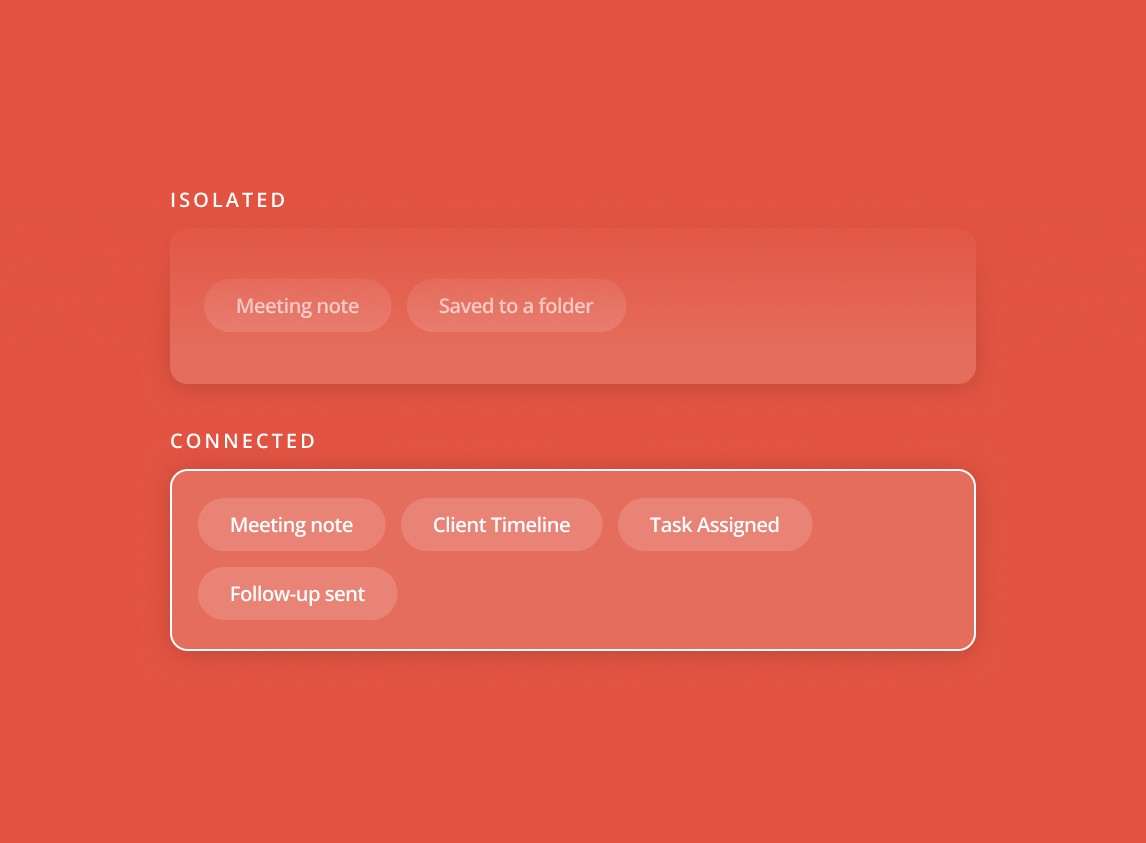
Set up your systems. CAS is recurring work, so it needs a stack that connects: a cloud ledger, practice management for jobs and deadlines, proposals and engagement, and somewhere to keep notes from client meetings against the client record. Our guide to software for accounting firms walks through each job and what to look for.
Choose your people. Someone has to own the monthly close and someone has to run the review meetings. In many firms those are different people, and the handover between them is where things slip. Decide early who does what, and how the person running the meeting knows what the person closing the books found.
Once the service exists, you’ll want more clients for it. Existing compliance clients are often the first, and our guide on how to get accounting clients covers ways to find new ones.
The meetings that run a CAS relationship
The monthly numbers are what a CAS client pays for, but the review meeting is what they remember. Most firms meet CAS clients monthly or quarterly to go through the results, look at the forecast and agree what to do next.
Those meetings do three jobs. They show the client what the service is doing for them, they keep the numbers connected to real decisions, and they surface new work. A client who mentions hiring, a second site or a plan to sell is telling you about scope. Our guide to running a client advisory services meeting explains how to prepare for those conversations, catch the signals and follow up so advice becomes paid work.
Give every review the same shape so clients know what to expect. Our client meeting agenda template includes an agenda for a quarterly review you can copy and adapt. Send it with the invite, open with the actions from last time and end by booking the next meeting.
Where Vinyl fits
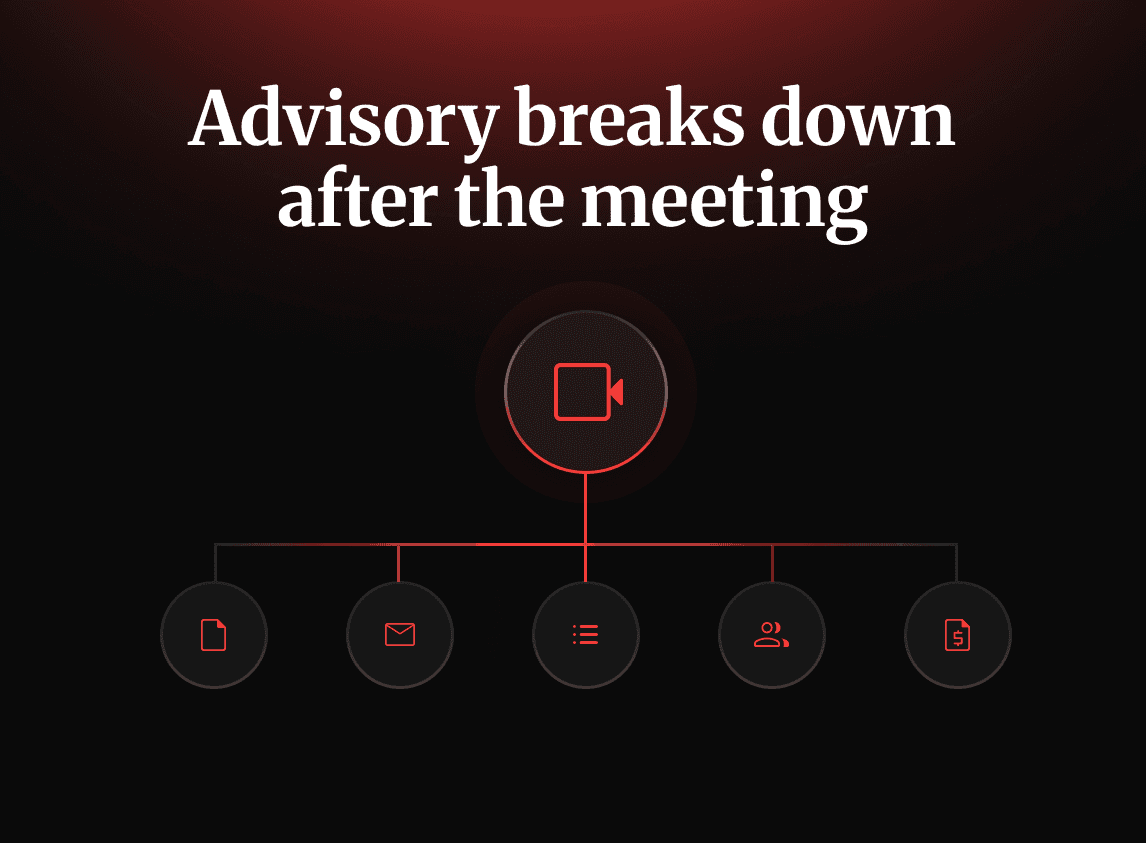
As CAS grows, the write-up after each review is the part that slips. That’s the part Vinyl handles. Vinyl records your client meetings on Zoom, Microsoft Teams, Google Meet or in person on the mobile app, then writes the notes with firm and client actions. Notes and actions sync to the client in Karbon or FYI, so whoever closes the books next month can see what was agreed.
Vinyl drafts the follow-up email from the meeting. You review it, then send it from your own Gmail or Outlook or save it as a draft. Its revenue opportunities feature flags the moments where a client raised a need the firm could help with, along with the quote from the transcript, and Vinyl connects to Ignition, Socket and Anchor to draft the proposal from the meeting.
Frequently Asked Questions
What does CAS stand for in accounting?
CAS usually stands for client accounting services, the outsourced accounting work a firm does for a client every month. Some firms use it to mean client advisory services, and many use CAS to cover both.
Is CAS the same as advisory?
Not exactly. Client accounting services is the ongoing accounting function, such as bookkeeping, payroll and monthly reporting, while advisory is the forward-looking work built on those numbers. Many firms sell them together and call the whole package CAS.
What services are included in CAS?
Most CAS offerings include some mix of bookkeeping, payroll, accounts payable and receivable, the monthly close and management reporting, cash flow forecasting, outsourced controller or CFO support, and advisory. The exact scope is set by each firm and written into the engagement letter.
How do accounting firms price CAS?
Most firms charge a monthly fixed fee set by the scope, often in two or three packages, and write that scope into an engagement letter before the work starts. The right fee depends on your market, your costs and the value to the client.
What is the difference between CAS and bookkeeping?
Bookkeeping is one part of CAS. CAS adds the monthly close, management reporting, forecasting, controller or CFO support and advice, so the client gets a finance function and regular reviews rather than only an up-to-date ledger.